Team uses AlphaFold AI to redesign gene-editing proteins to make them safer
At a glance
A couple of decades after the discovery of systems that could selectively target DNA, we're starting to see the first therapies based on gene editing. One challenge these developments have faced is safety. While we can make them pretty specific to the gene we want edited, the human genome is very large, and even rare D
- Primary source
- Ars Technica - All content — Read original article
- Published
- Topic
- Technology
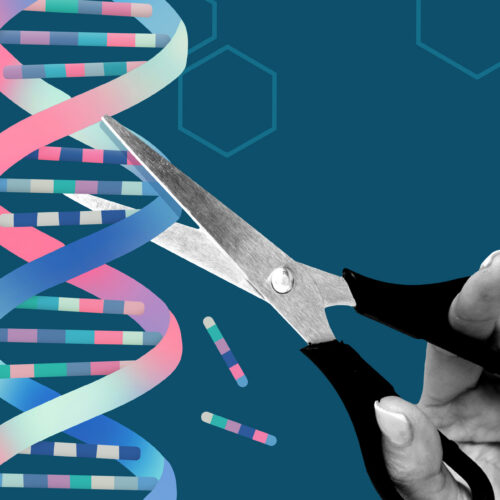
A couple of decades after the discovery of systems that could selectively target DNA, we're starting to see the first therapies based on gene editing. One challenge these developments have faced is safety.
While we can make them pretty specific to the gene we want edited, the human genome is very large, and even rare DNA sequences can appear a couple of times by chance.
As a result, all the original gene-editing systems had known rates of what are called off-target effects, in which they simply edit the wrong sequence.
This may be a low-probability event, but edit enough cells—and therapies generally have to edit many—and errors become inevitable. A lot of effort has gone into finding ways to minimize or eliminate off-target edits.
In a recent issue of Nature, researchers described modifying the AI protein-folding software AlphaFold to help identify key areas of gene-editing proteins responsible for off-target effects. Those areas were then modified to reduce the problems.
Read full article Comments
This summary comes from Ars Technica - All content. Read the full article at the original source.
References
More in General

Judge denies xAI’s request to block Minnesota ban on ‘nudify’ apps
Despite a lawsuit from xAI, a Minnesota ban on apps that allow users to “nudify” images can move forward.

Angela Nissel faces down grief with a laugh
Angela Nissel smiles through the pain. | Image: Angela Nissel Angela Nissel's latest book, Good Grief, Pass the Bread, Mom Is Dead , is my kind of memoir. Sure, it's a deeply…
YouTuber Hank Green says his AI usage is ‘not healthy’
Green offered a remarkable apology, saying that "the level of dopamine that I've been getting from interacting with LLMs ... is not healthy for me or good for the world."
Apple's new Upgrade program is the latest sign that smartphone ownership is changing.