‘Stern, sensuous, almost kissable lips’: why sculptures can have far more power when they’re broken
At a glance
From a pharoah’s pout to a Mussolini with a hole in the head, a new exhibition is exploring how some ancient fragments speak more profoundly than fully intact treasures The nose of Cleopatra VII was supposed to have been so beautiful that it changed the course of history: if it had been shorter, French philosopher Blai
- Primary source
- The Guardian Culture — Read original article
- Published
- Topic
- Culture
From a pharoah’s pout to a Mussolini with a hole in the head, a new exhibition is exploring how some ancient fragments speak more profoundly than fully intact treasures The nose of Cleopatra VII was supposed to have been so beautiful that it changed the course of history: if it had been shorter, French philosopher Blaise Pascal wrote, “the whole face of the earth would have changed”.
A visit to the Palazzo Strozzi in Florence, however, will leave you convinced that Cleo’s conk was only the second most stunning feature to ever grace the face of an Egyptian pharaoh.
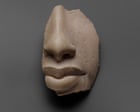
Among the more than 80 objects on display at an exhibition that opened last week is an astonishingly lifelike sculpture showing off the lips of Akhenaten, from the 14th century BC: a seagull shape resting on a pillow of lush flesh, at once both stern and sensuous, almost uncomfortably kissable.
It was Thomas Aquinas who first came up with the theory that we perceive things to be beautiful when they are intact and whole, but the Akhenaten sculpture is so striking precisely because it has a major blemish.
Like all the objects shown in Florence, it is only a fragment: a shard of polished limestone found in the dumps south of
This summary comes from The Guardian Culture. Read the full article at the original source.
