Researchers swap in human brain cells for a mouse's cortex
At a glance
In recent years, there has been a lot of excitement about the potential for studying human diseases in what are called "organoids." These small patches of tissue, formed using stem cells, appear to produce many of the same cell types and at least some of the structures normally formed in actual organs, and thus can pro
- Primary source
- Ars Technica — Read original article
- Published
- Topic
- General
In recent years, there has been a lot of excitement about the potential for studying human diseases in what are called "organoids." These small patches of tissue, formed using stem cells, appear to produce many of the same cell types and at least some of the structures normally formed in actual organs, and thus can provide a better model for diseases that rely on the sometimes complex interactions among multiple specialized cell types that are a feature of the human body.
But even the most sophisticated organoids lack a lot of the features of a real human body.
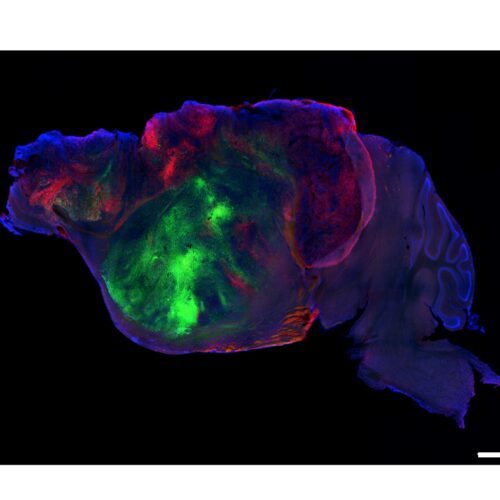
This is especially true for brain organoids, which don't form any of the connections with specialized brain structures needed to behave "normally." On Wednesday, a research group at Stanford University described a possible way to study brain organoids in a somewhat more natural context: They genetically wiped out a large portion of the mouse brain and replaced it with human brain organoid cells.
The replacements Organoids, because they adopt a three-dimensional tissue structure and consist of various specialized cells, provide a much better model for an intact tissue than simply having a bunch of disassociated cells lying fl
This summary comes from Ars Technica. Read the full article at the original source.