Here's how engineers plan to save the satellite sent to save NASA's Swift mission
At a glance
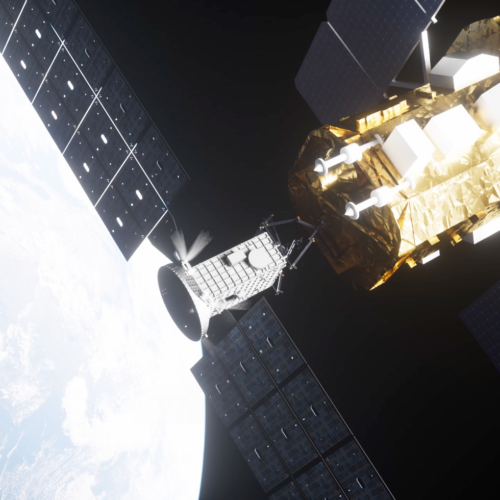
One week ago, more than 200 miles above the Earth, a refrigerator-size satellite making its way toward an attempted rescue of NASA's $500 million Swift gamma-ray observatory suddenly spun out of control . It didn't look good. The spacecraft, named Link, was rotating on multiple axes, rendering it unable to maintain a r
- Primary source
- Ars Technica - All content — Read original article
- Published
- Topic
- Technology
One week ago, more than 200 miles above the Earth, a refrigerator-size satellite making its way toward an attempted rescue of NASA's $500 million Swift gamma-ray observatory suddenly spun out of control . It didn't look good.
The spacecraft, named Link, was rotating on multiple axes, rendering it unable to maintain a reliable communications link with the ground and complicating efforts to arrest the spin.
Two of the satellite's three reaction wheels, used for pointing, also stopped working. Through sporadic radio contact, engineers discovered a problem with some of the spacecraft's cold gas thrusters used for finer attitude control.
The Link satellite is built, owned, and operated by Katalyst Space Technologies, a satellite servicing startup that won a $30 million contract from NASA to fly up to the Swift observatory, grab onto it, and boost its orbit before succumbing to aerodynamic drag and burning up int he atmosphere.
Read full article Comments
This summary comes from Ars Technica - All content. Read the full article at the original source.
References
More in General

Judge denies xAI’s request to block Minnesota ban on ‘nudify’ apps
Despite a lawsuit from xAI, a Minnesota ban on apps that allow users to “nudify” images can move forward.

Angela Nissel faces down grief with a laugh
Angela Nissel smiles through the pain. | Image: Angela Nissel Angela Nissel's latest book, Good Grief, Pass the Bread, Mom Is Dead , is my kind of memoir. Sure, it's a deeply…
YouTuber Hank Green says his AI usage is ‘not healthy’
Green offered a remarkable apology, saying that "the level of dopamine that I've been getting from interacting with LLMs ... is not healthy for me or good for the world."
Apple's new Upgrade program is the latest sign that smartphone ownership is changing.