Dinosaur-killing impact crater might have been teeming with life
At a glance
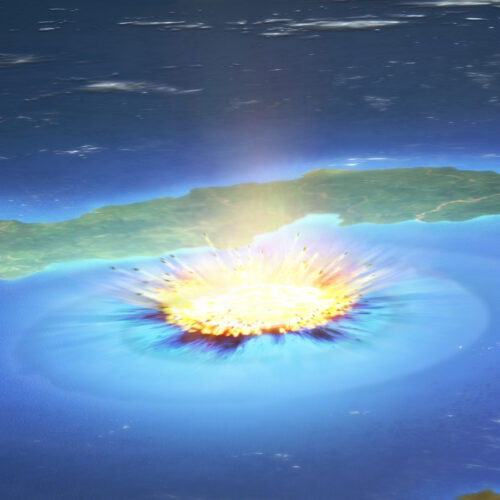
About 66 million years ago, the Chicxulub asteroid smashed into Earth, kicking up tsunamis and dropping hot debris that annihilated non-avian dinosaurs and many other species. But not everything it left in its wake was destructive. This space rock hit what is now the partially submerged Yucatan Peninsula, and at the bo
- Primary source
- Ars Technica — Read original article
- Published
- Topic
- General
About 66 million years ago, the Chicxulub asteroid smashed into Earth, kicking up tsunamis and dropping hot debris that annihilated non-avian dinosaurs and many other species. But not everything it left in its wake was destructive.
This space rock hit what is now the partially submerged Yucatan Peninsula, and at the bottom of the ocean, the impact generated enough heat to create a hydrothermal system that persisted for 8 million years and may have been a hotbed of life.
When researchers drilled for samples in the impact zone in 2016, they studied the types of rock that had formed as a result of the asteroid strike. This gave more insight into what happened in the immediate and long-term aftermath of this cataclysmic event.
The collision was intense enough to cause deformation far beneath the surface. Subterranean effects reached 35 km (almost 22 miles) down, and included the melting an immense amount of rock.
Exposure to seawater made that rock porous. As hot water seeped into the pores, a hydrothermal system formed.
The hot water gushing into an isolated region of the freezing depths could have attracted microorganisms and possibly other life forms that were otherwise struggling t
This summary comes from Ars Technica. Read the full article at the original source.