Contenido en inglés
Will AI fix prior authorization—or make it worse?

En resumen
If you’re like me, you or a loved one has struggled through the process of gaining pre-approval for the medical care that your physician has recommended. Personal stories abound regarding the tribulations of patients as they go through hoops to get their health insurer to pay for certain prescription medications, medic
- Fuente primaria
- Ars Technica - All content — Leer artículo original
- Publicado
- Tema
- General
If you’re like me, you or a loved one has struggled through the process of gaining pre-approval for the medical care that your physician has recommended.
Personal stories abound regarding the tribulations of patients as they go through hoops to get their health insurer to pay for certain prescription medications, medical procedures, and more.
When used judiciously, this process—known as prior authorization —serves as a check on overuse and spending on services or technologies for which there are less costly alternatives.
But a large majority of physicians voice concerns about care delays, which can cause patients to abandon recommended treatments while waiting for the insurance company to verify their eligibility and confirm that the treatment is, indeed, medically necessary.
Patients who are denied care may submit an appeal, but that requires more time. AI might be able to help.
With its ability to efficiently sort through vast reams of information, artificial intelligence could theoretically expedite approval of unambiguously allowable claims, thereby reducing care delays.
However, AI-driven prior authorization is facing resistance, as it may increase wrongful denials of health i
Este resumen proviene de Ars Technica - All content. Lee el artículo completo en la fuente original.
Referencias
Más en General

Desciende a nivel 0 el incendio forestal de Seseña (Toledo)
Toledo, 1 ago (EFE).- El Servicio de Prevención y Extinción de Incendios Forestales de Castilla-La Mancha (Infocam) ha rebajado a situación operativa nivel 0 un incendio forestal…
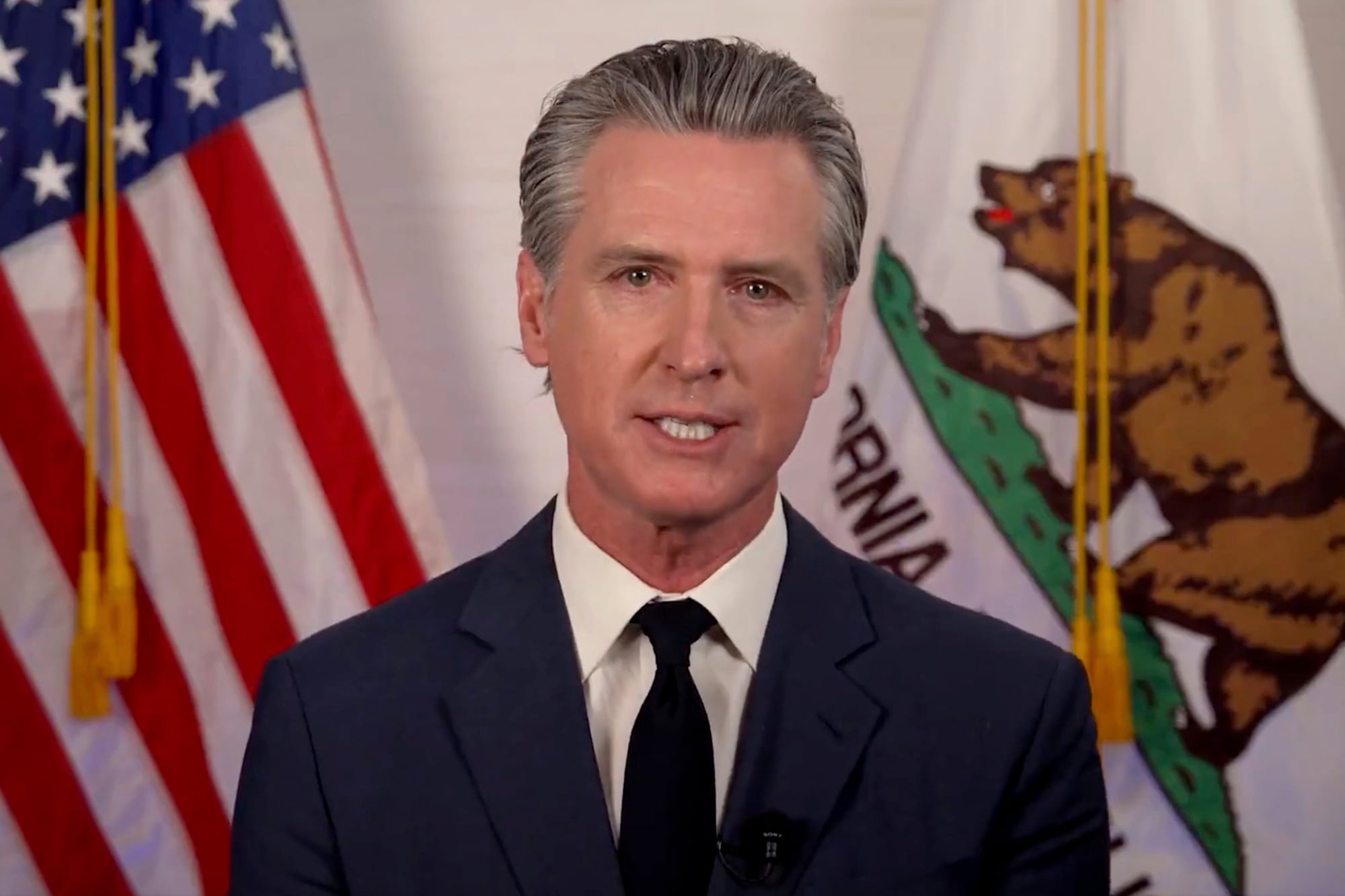
El gobernador de California, Gavin Newsom , transita los últimos meses en el cargo , ya que asumió en enero de 2019 y finaliza su labor el 4 de enero de 2027, tras la reelección…
Ecolocalización: cómo murciélagos, delfines y humanos usan el sonido para orientarse
Murciélagos, delfines y humanos comparten una habilidad que desafía los límites de la percepción: la capacidad de “ver” el mundo a través del sonido . La ecolocalización —el…

Sancionaron a un conductor que circuló más de un kilómetro por la banquina de la autopista Buenos Aires-La Plata
Un conductor de un Fiat Palio fue interceptado y sancionado por agentes del Ministerio de Transporte de la Provincia de Buenos Aires tras circular durante más de un kilómetro por…