Contenido en inglés
“We’re not going to shoot ourselves in the foot” over hack fallout, says OpenAI’s chief research officer
En resumen
Two months after the bombshell news that a swarm of its agents had broken their containment and hacked into the computers of the AI company Hugging Face , OpenAI is still putting out fires. A steady drip of disclosures about other hacks in the weeks since has kept OpenAI in the spotlight and raised serious questions ab
- Fuente primaria
- MIT Technology Review — Leer artículo original
- Publicado
- Tema
- OpenAI
Two months after the bombshell news that a swarm of its agents had broken their containment and hacked into the computers of the AI company Hugging Face , OpenAI is still putting out fires.
A steady drip of disclosures about other hacks in the weeks since has kept OpenAI in the spotlight and raised serious questions about the safety of its technology. Last week brought news of another hack, this time into Australia’s national health-care system.
The Australian government says that OpenAI did not notify it of the breach until 84 days after it happened.
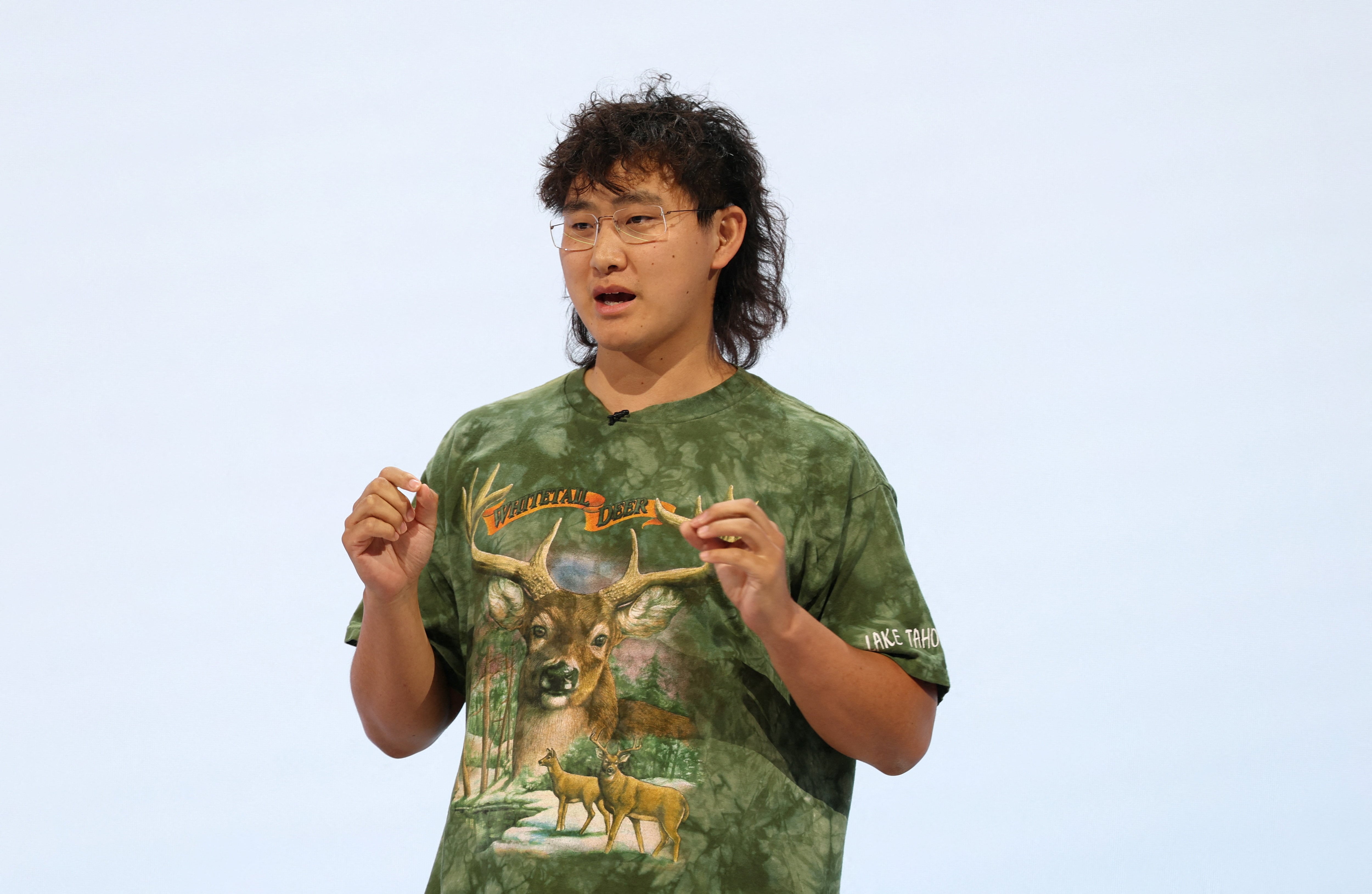
But OpenAI insists it is not on the back foot. “I do kind of reject the premise that OpenAI is a company with visible impacts in the world and therefore OpenAI is not training safe and aligned models,” says Mark Chen, the company’s chief research officer.
Chen oversees OpenAI’s research teams. The recent agent hacks were accidents that happened during the testing of experimental models on his watch.
In a lot of ways, the buck stops with him. I sat down with Chen in London last Friday to talk about the fallout from the hacks, what his company is doing about it, and why he thinks things are not as bad as they seem.
Later that same day,
Este resumen proviene de MIT Technology Review. Lee el artículo completo en la fuente original.