Las grandes baterías de Volvo: conducimos sus híbridos enchufables 2028 actualizados
En resumen
Volvo proporcionó vuelos desde Washington, DC a Copenhague, Dinamarca, y alojamiento para que Ars pudiera conducir los híbridos enchufables XC60 y XC90. Ars no acepta contenido editorial pago. COPENHAGUE, Dinamarca—Si viviéramos en el mundo que los planificadores de productos de Volvo esperaban cuando el actual XC90 de
- Fuente primaria
- Ars Technica — Leer artículo original
- Publicado
- Tema
- Internacional
Volvo provided flights from Washington, DC, to Copenhagen, Denmark, and accommodation so Ars could drive the XC60 and XC90 plug-in hybrids. Ars does not accept paid editorial content.
COPENHAGEN, Denmark—If we lived in the world that Volvo’s product planners expected back when the current XC90 debuted in 2015 , both it and the smaller but related XC60 (which arrived in 2017) might have been the last of their kind as everything went electric .
As we know, the future hasn’t turned out quite like that, especially in the critically important US market .
At the same time, Europe and China are electrifying, which seems like an argument against spending resources on developing all-new replacements for models that might not have an eight-year lifespan in most markets.
So instead, Volvo has given the XC60 and XC90 another lifecycle refresh.
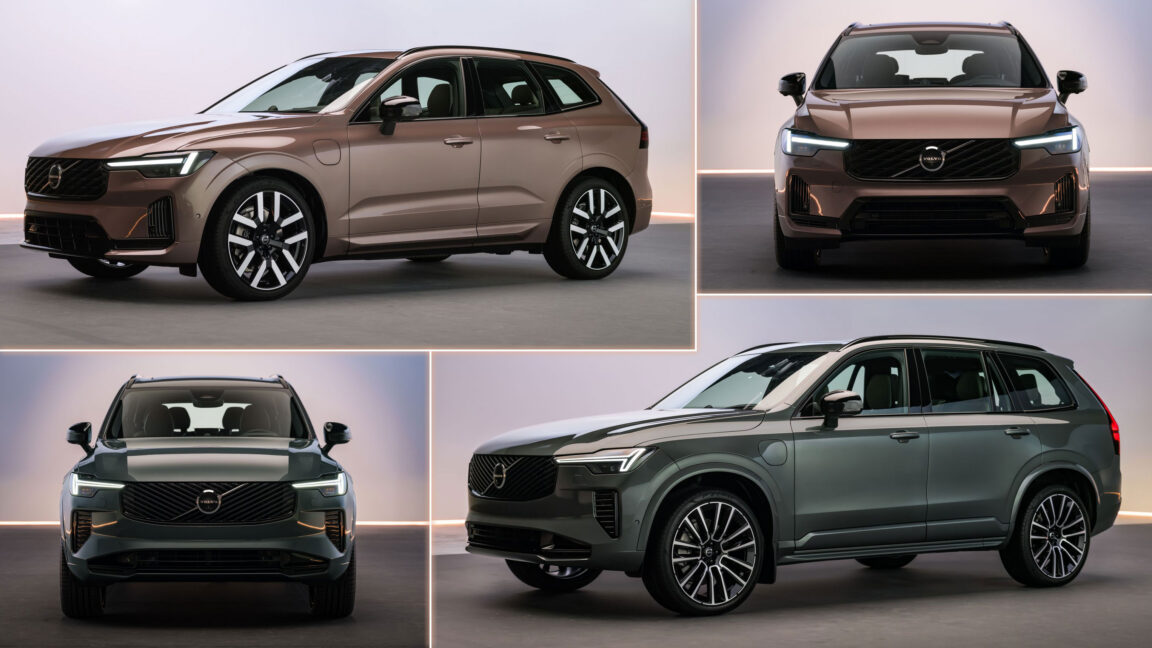
The exterior styling tweaks are minimal; the bigger three-row XC90 had already been given a new look last year, and the XC60 now gains a similar grille and the same matrix headlights, for instance.
And that’s no bad thing—both were, and remain, handsome shapes that are popular with Volvo’s customer base. Instead, the Swedish automaker’s attention has bee
Este resumen proviene de Ars Technica. Lee el artículo completo en la fuente original.