Contenido en inglés
New forensic evidence supports Egyptian "retainer sacrifice"
En resumen
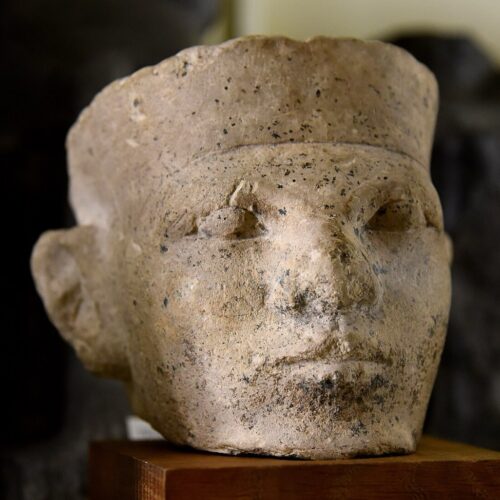
Egyptologists have long debated whether the earliest pharoahs of the First Dynasty were buried with various servants and officials to serve them in the afterlife—a form of human sacrifice . But there is very little archaeological evidence available, given that many of the earliest Egyptian tombs were plundered and/or h
- Fuente primaria
- Ars Technica - All content — Leer artículo original
- Publicado
- Tema
- General
Egyptologists have long debated whether the earliest pharoahs of the First Dynasty were buried with various servants and officials to serve them in the afterlife—a form of human sacrifice .
But there is very little archaeological evidence available, given that many of the earliest Egyptian tombs were plundered and/or hastily excavated.
A new paper published in the journal Frontiers in Environmental Archaeology reassesses a collection of skulls excavated from tombs in the 1920s and concludes that over one-third show evidence of blunt force trauma.
This suggests that they may have been victims of so-called "retainer sacrifice." Author Roselyn Campbell is a bioarchaeologist at Purdue University who has long been fascinated with the history of human sacrifice.
"I'm interested in how we as human beings decide which types of violence are okay and which are not, and how we even define violence," Campbell told Ars. "It's very context specific.
We have to be careful not to extend our own ideas about what violence is and how it's used into other cultures. With Egypt, we have such a long history of European and colonial archeology; they came in with very specific ideas about what this culture
Este resumen proviene de Ars Technica - All content. Lee el artículo completo en la fuente original.
Referencias
Más en General

Resultados de las elecciones en Brasil: Flavio Bolsonaro y Lula da Silva van al balotaje en las presidenciales 2026
Las encuestas anticipaban un final peleado entre Lula y Flavio Bolsonaro Más de 158 millones de brasileños estaban habilitados para votar El balotaje será el 25 de octubre El…
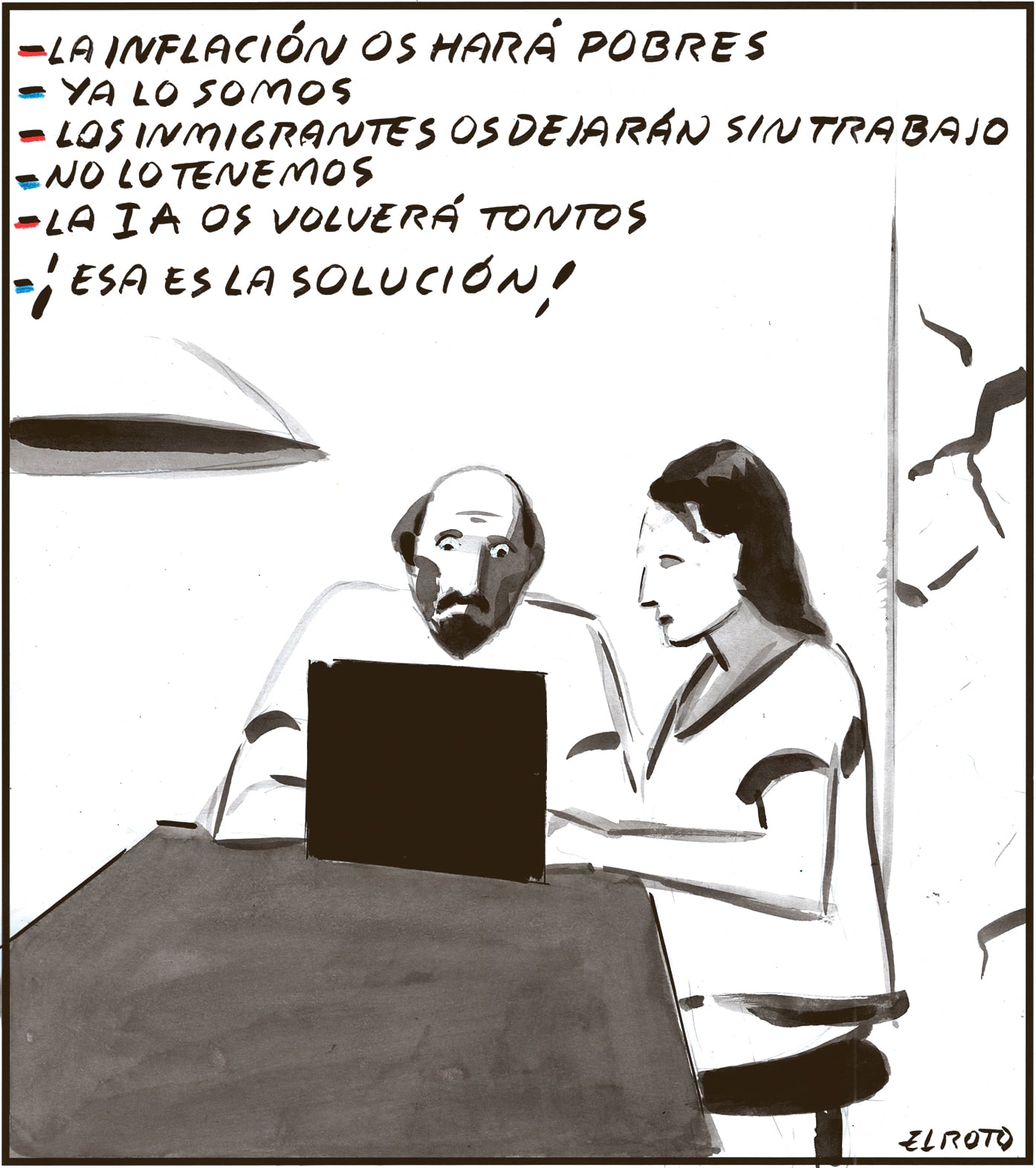
El Roto: ¡Esa es la solución!
Viñeta del 5 de octubre de 2026

Amnistía Internacional proyecta sobre Marruecos la sombra de las escuchas de espionaje
Los servicios de inteligencia de Marruecos disponen de distintos programas de ciberespionaje, además del más conocido, el israelí Pegasus : controlan las comunicaciones en zonas…

Bruselas plantea retirar el derecho al voto a los nuevos miembros de la UE si no cumplen las reglas
La Comisión Europea no quiere que la ampliación para integrar a Ucrania, Moldavia y los Balcanes pierda impulso por la turbulenta situación geopolítica en Europa. Y se propone…