Contenido en inglés
Neanderthal wooden tools from Spain found preserved in stone
En resumen
The Stone Age owes its name to tools that survived to our time. The material early humans worked with most, though, was probably wood because it is so much easier to process. Unfortunately, we know very little about Paleolithic woodwork because wood rots relatively quickly. But at Abric Romaní, a rock shelter in Capell
- Fuente primaria
- Ars Technica - All content — Leer artículo original
- Publicado
- Tema
- General
The Stone Age owes its name to tools that survived to our time. The material early humans worked with most, though, was probably wood because it is so much easier to process.
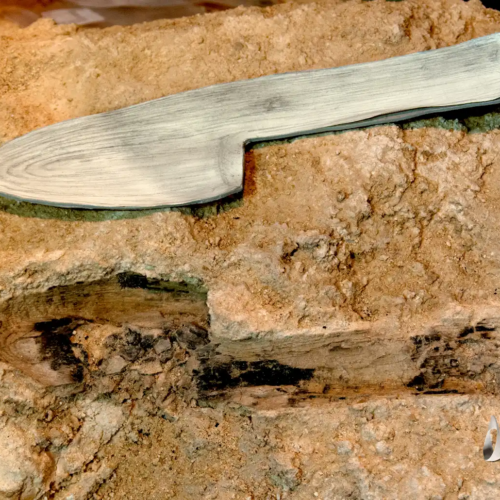
Unfortunately, we know very little about Paleolithic woodwork because wood rots relatively quickly. But at Abric Romaní, a rock shelter in Capellades, west of Barcelona, mineral-rich water coated wooden Neanderthal tools in a limestone-like crust.
When wood rotted away, it left behind hollow molds that faithfully reflect its shape. In a recent Science Advances study, a team of Spanish archaeologists has cataloged 597 wooden remains from Neanderthal living areas dating from 62,000 to 40,000 years ago.
They found spears, digging sticks, bark trays, parts of shelters, and a club unlike anything seen before, suggesting Neanderthals were likely much more than just Homo sapiens’ dumber cousins.
Beyond hunting gear The oldest wooden artifacts we have are mostly weapons. They include spears from a German town called Schöningen, a spear tip from Clacton-on-Sea in England, and the spear found alongside an elephant skeleton in Lehringen, Germany.
Most came from waterlogged sediments, where a lack of oxygen slowed decay.
Este resumen proviene de Ars Technica - All content. Lee el artículo completo en la fuente original.
Referencias
Más en General

MARINA BAY, Singapur (enviado especial).- Tras un entrenamiento libre en el que terminó 19º en Marina Bay, Franco Colapinto se recuperó espectacularmente en la clasificación para…
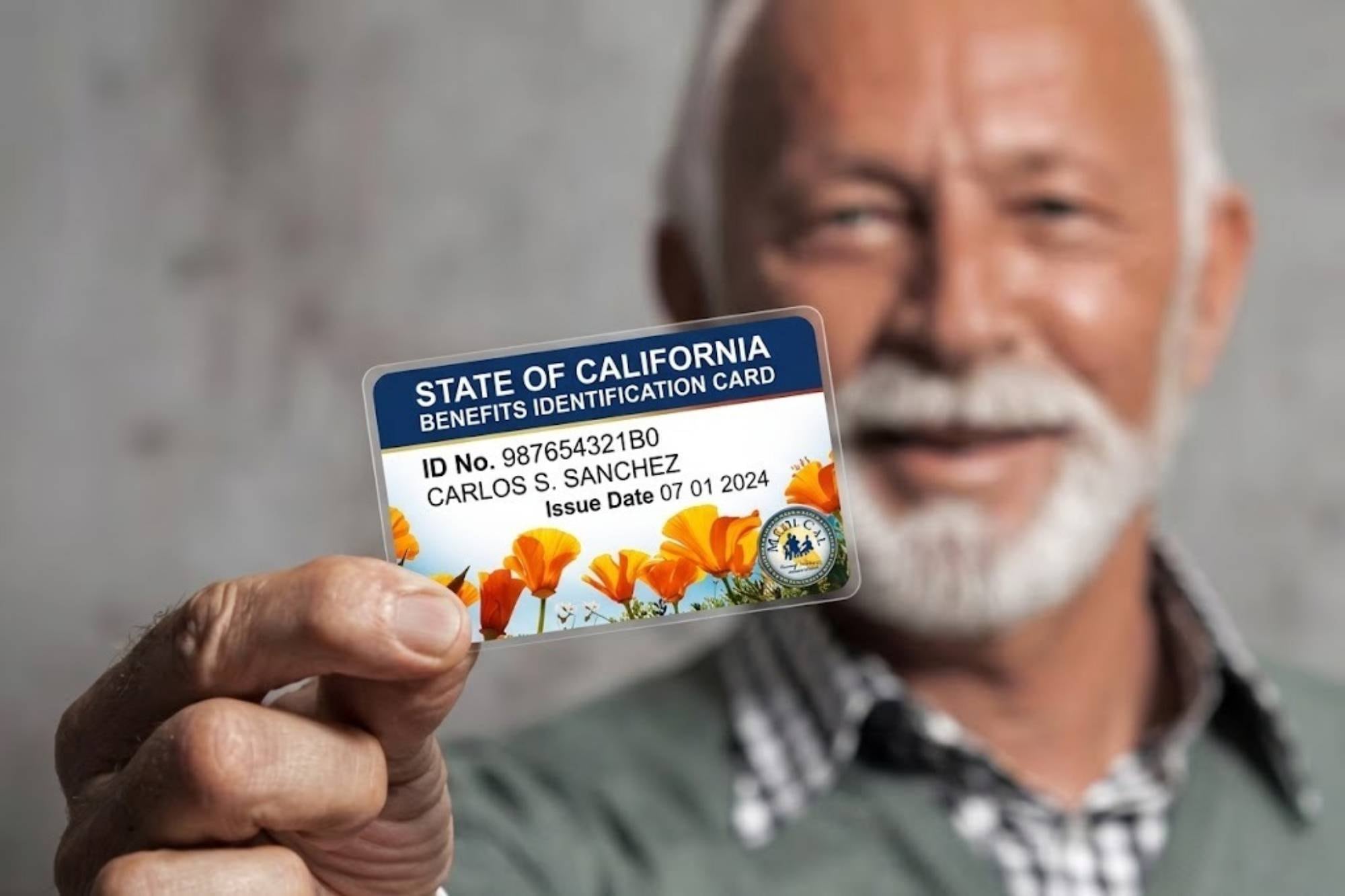
Confirmado el cambio Medi-Cal para migrantes de California a partir de 2027: a quién aplica la tarifa de US$30
El Departamento de Servicios de Atención Médica de California ( DHCS , por sus siglas en inglés) confirmó que, desde enero de 2027 , determinados migrantes afiliados a Medi-Cal…
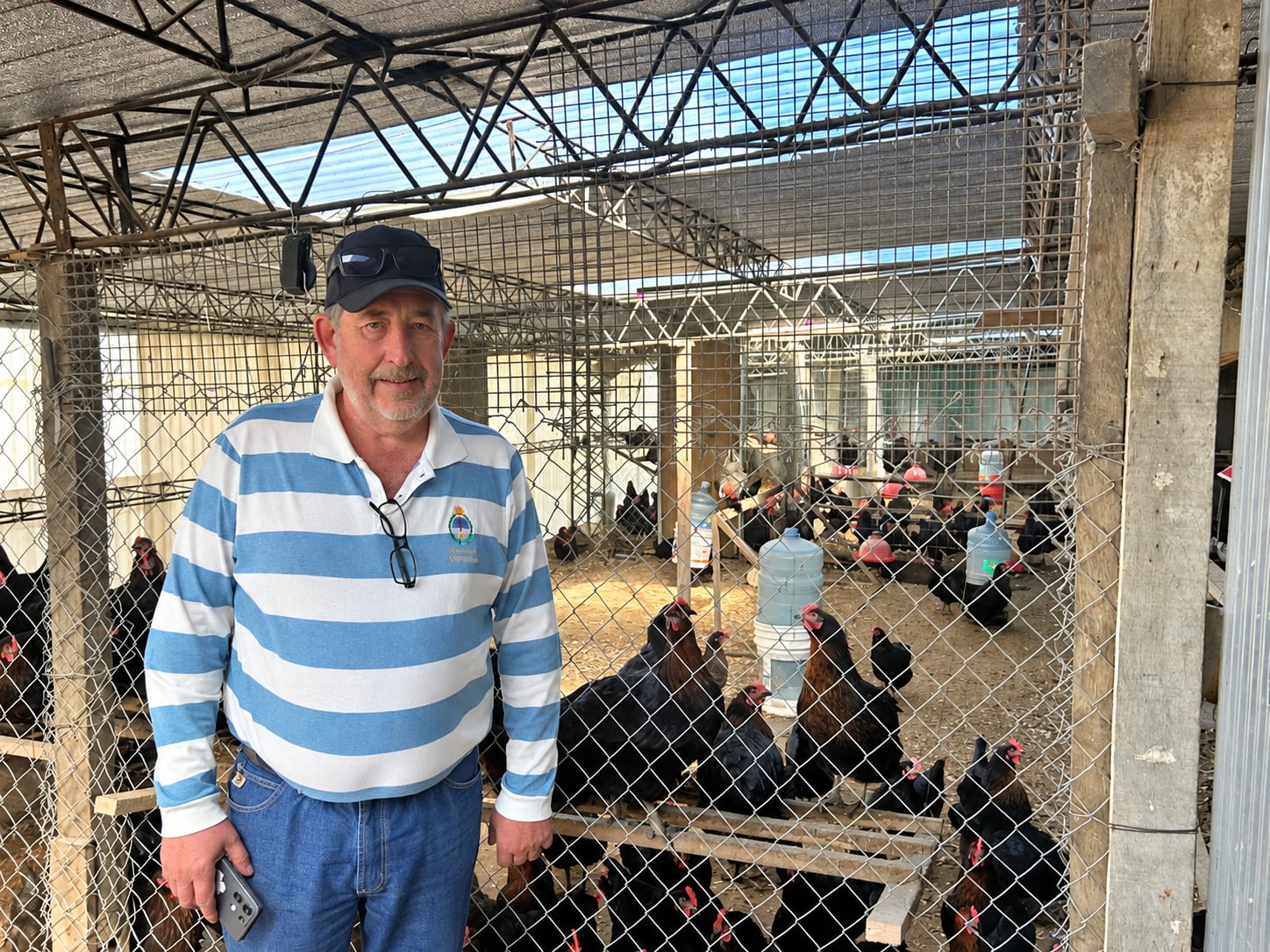
Nelson Ginter, de 62 años, el productor de huevos de color azul más austral del mundo: “Si los dejás más de un día se congelan”
El viento helado azota las costas del Canal de Beagle , donde el invierno patagónico no es solo una estación, sino un desafío constante a la supervivencia. Allí Nelson Ginter , de…

Según la psicología, los que le hablan a las mascotas como si fueran personas tienen una marcada sensibilidad hacia su entorno
Las personas que hablan con sus mascotas muestran una marcada sensibilidad hacia su entorno social y natural. Captan con facilidad el estado de ánimo de otros seres vivos y…