Contenido en inglés
How AI helps scientists design the next generation of medicines

En resumen
Designing and developing a new medicine is an expensive, failure-prone scientific challenge. A new drug can take many years to develop, at the cost of a significant investment. And even then, most possible candidates never reach the patient. For biologic medicines, therapies made from engineered proteins rather than sy
- Fuente primaria
- MIT Technology Review — Leer artículo original
- Publicado
- Tema
- General
Designing and developing a new medicine is an expensive, failure-prone scientific challenge. A new drug can take many years to develop, at the cost of a significant investment.
And even then, most possible candidates never reach the patient.
For biologic medicines, therapies made from engineered proteins rather than synthetic chemistry (which are often used to treat conditions across most major acute and chronic diseases), the complexity is even greater.
Scientists explore vast quantities of possible molecules, looking for the rare few that will bind to the right target, remain stable in the human body, and be manufacturable at scale.
Today, AI is speeding up these processes and has quickly become a core part of the infrastructure in pharmaceutical R&D.
AI-assisted design is a growing part of how biologic drug candidates are developed, and companies like AstraZeneca are actively building its engineering teams to push this further. “Everything we do, whether it’s design, make, test, or analyze, is now computationally enhanced,” says Puja Sapra, senior vice president and head of R&D biologics engineering and oncology targeted discovery at AstraZeneca. “The cycle times are getting sho
Este resumen proviene de MIT Technology Review. Lee el artículo completo en la fuente original.
Referencias
Más en General

EN VIVO | Clima en CDMX y resto de México hoy 1 de agosto: La canícula retomaría fuerza en este mes
Para las siguientes 3 horas se pronostican chubascos en zonas del EdoMéx y la CDMX. Pronóstico de chubascos para el medio día de hoy y las primeras horas de la tarde en regiones…

Así están las tablas de la Liga Profesional, la de Promedios y la Anual camino a las copas internacionales de 2027
Luego de la fecha que se llevó a cabo entre semana, hubo descanso el día viernes en la Liga Profesional y se retomó la actividad en la jornada sabatina. Con cinco atractivos…
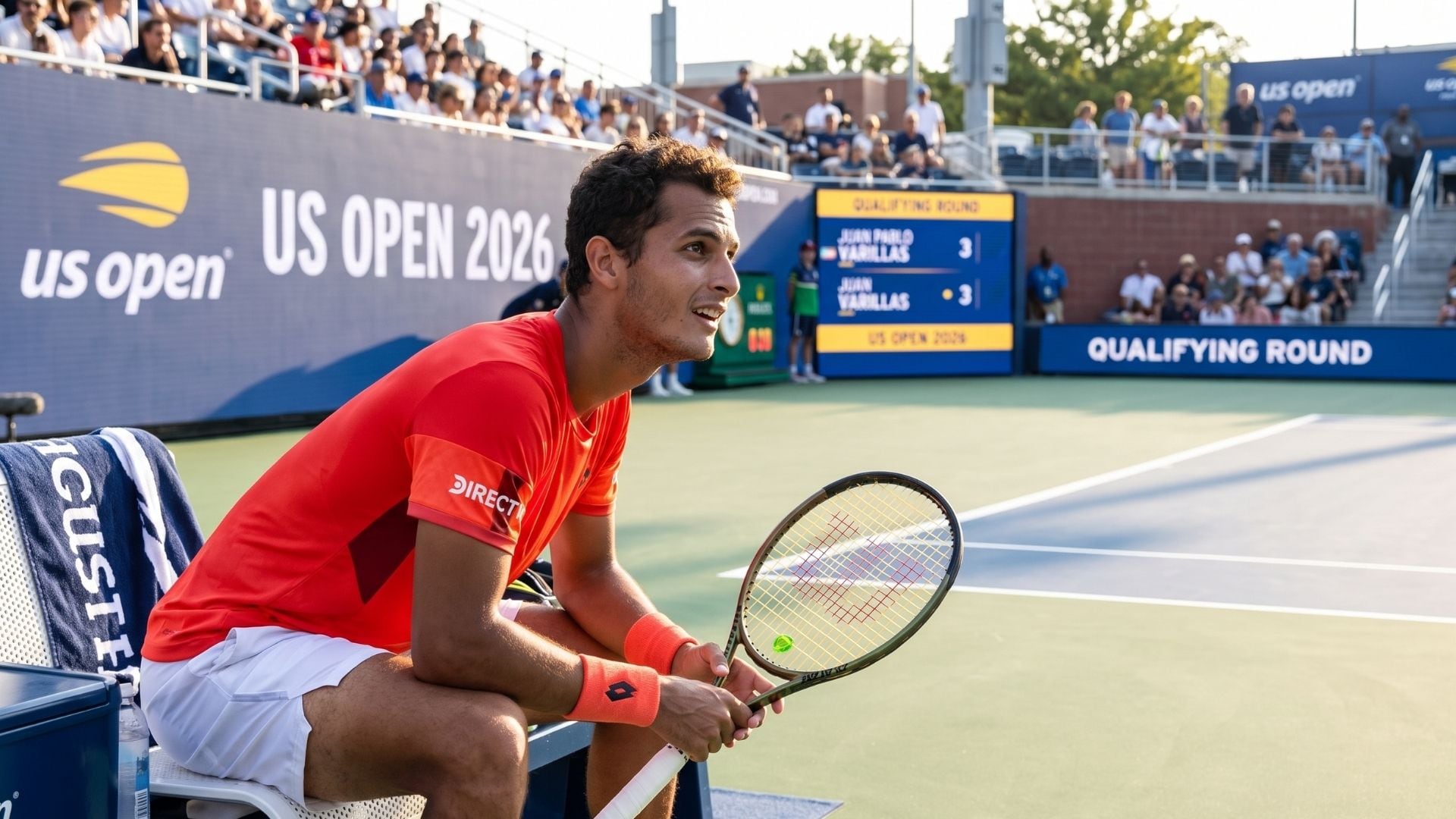
Juan Pablo Varillas se acerca al US Open 2026 tras su gran actuación en San Marino: ¿Qué necesita para acceder al cuarto Grand Slam?
El tenis peruano vive un momento de optimismo y expectativa en la recta final de la gira sobre tierra batida previa al cemento norteamericano. Juan Pablo Varillas ha vuelto a dar…

Los conciertos de Anitta en su nueva gira comienzan con meditación y sin venta de alcohol
Porto Alegre (Brasil), 1 ago (EFE).- La cantante brasileña Anitta inició este sábado en Brasil la gira 'Equilibrivm Tour' con una propuesta poco habitual para un concierto:…