Contenido en inglés
Chemistry Nobel goes to reactions like those that gave life a hand
En resumen
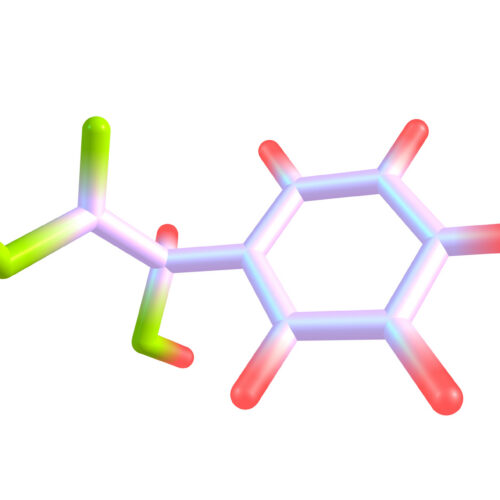
Life is remarkably selective. Life relies on many molecules with what is termed "handedness"—they're chemically identical but are mirror images of each other. Most chemical reactions will make a 50-50 mix of the left- and right-handed forms of a chemical, but life uses only one of them. In fact, because of the differen
- Fuente primaria
- Ars Technica - All content — Leer artículo original
- Publicado
- Tema
- General
Life is remarkably selective. Life relies on many molecules with what is termed "handedness"—they're chemically identical but are mirror images of each other.
Most chemical reactions will make a 50-50 mix of the left- and right-handed forms of a chemical, but life uses only one of them.
In fact, because of the differences between left- and right-handed chemicals, most of the key enzymes used by organisms will fail to work if they're presented with chemicals that have the wrong handedness.
That poses a bit of a challenge for origin-of-life research, as we're forced to explain how a world that may have started with an even mix of left- and right-handed chemicals produced organisms that only used one of them.
Today's Nobel Prize in Chemistry goes to two individuals, Henri Kagan and Kenso Soai, who discovered chemical reactions could be biased, producing large excesses of one of the two forms of a chemical. Read full article Comments
Este resumen proviene de Ars Technica - All content. Lee el artículo completo en la fuente original.
Referencias
Más en General
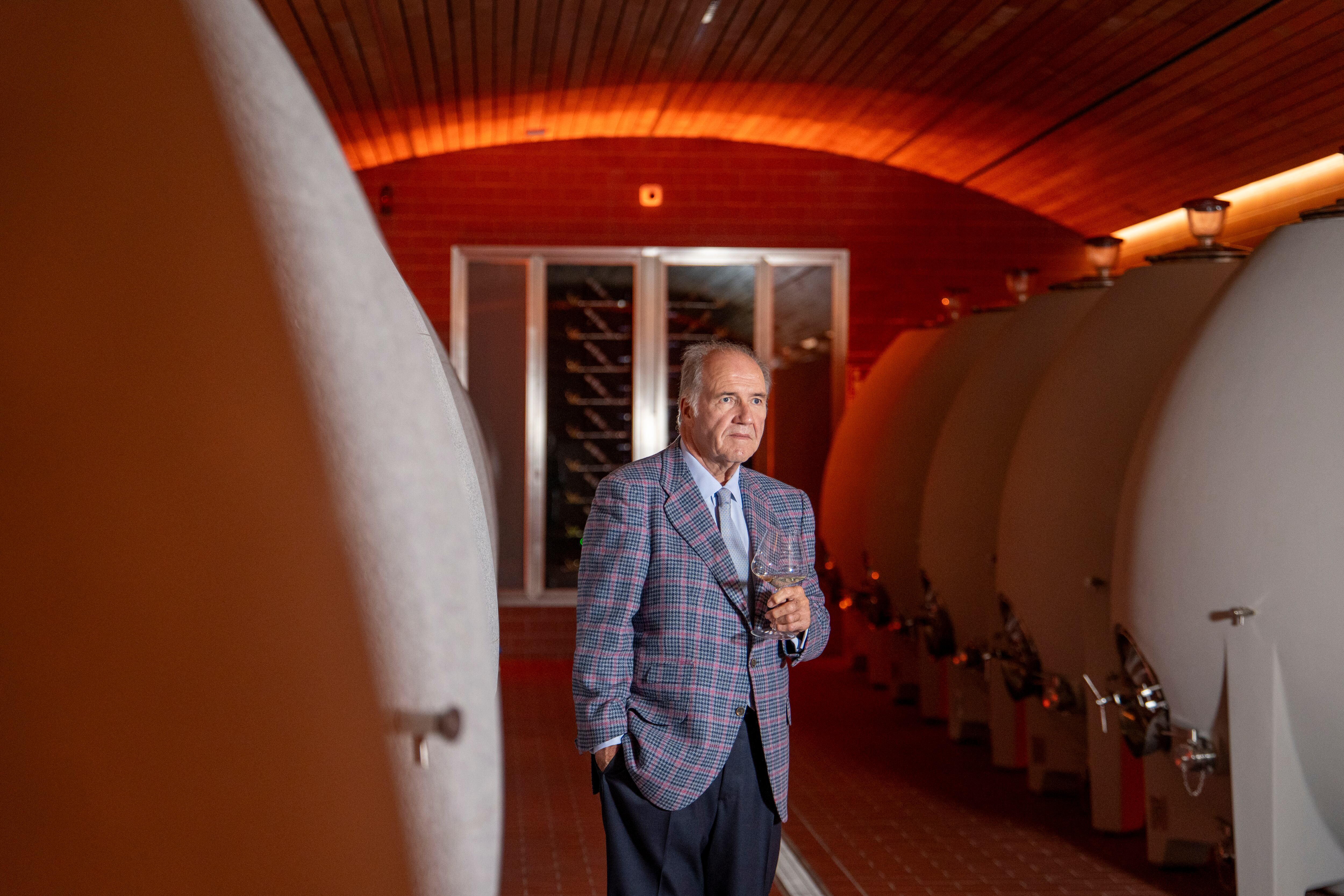
Vega Sicilia presenta su primer vino blanco español e inaugura bodega en Galicia
No todos los días una de las mejores bodegas del mundo inaugura un nuevo proyecto en España. No todos los días Vega Sicilia presenta su primer vino blanco, en el que lleva…
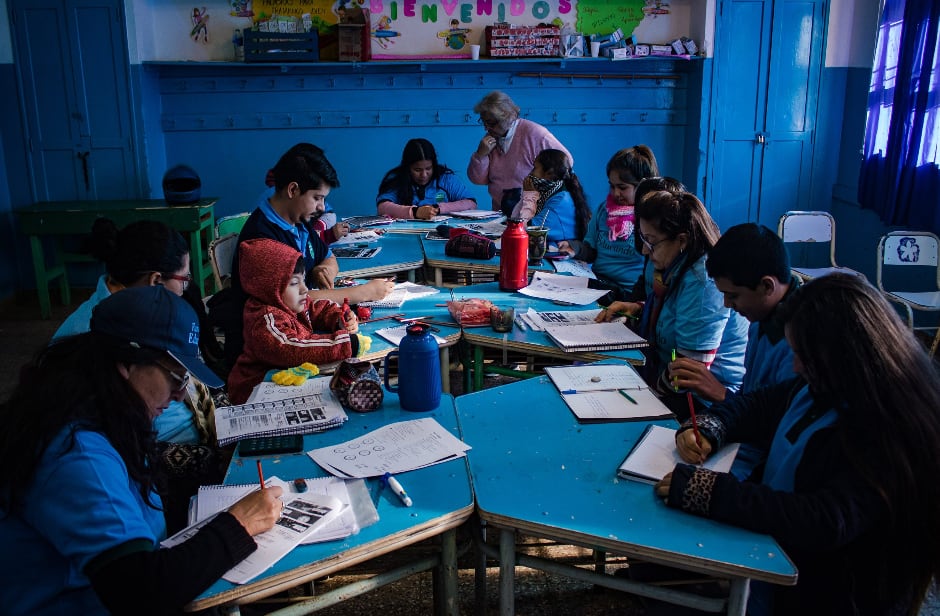
La educación como una llave para abrir el futuro
Hay una imagen a la que vuelvo con frecuencia cuando pienso en el sentido de la educación: una persona frente a una puerta. Sabe que del otro lado puede haber una oportunidad, un…
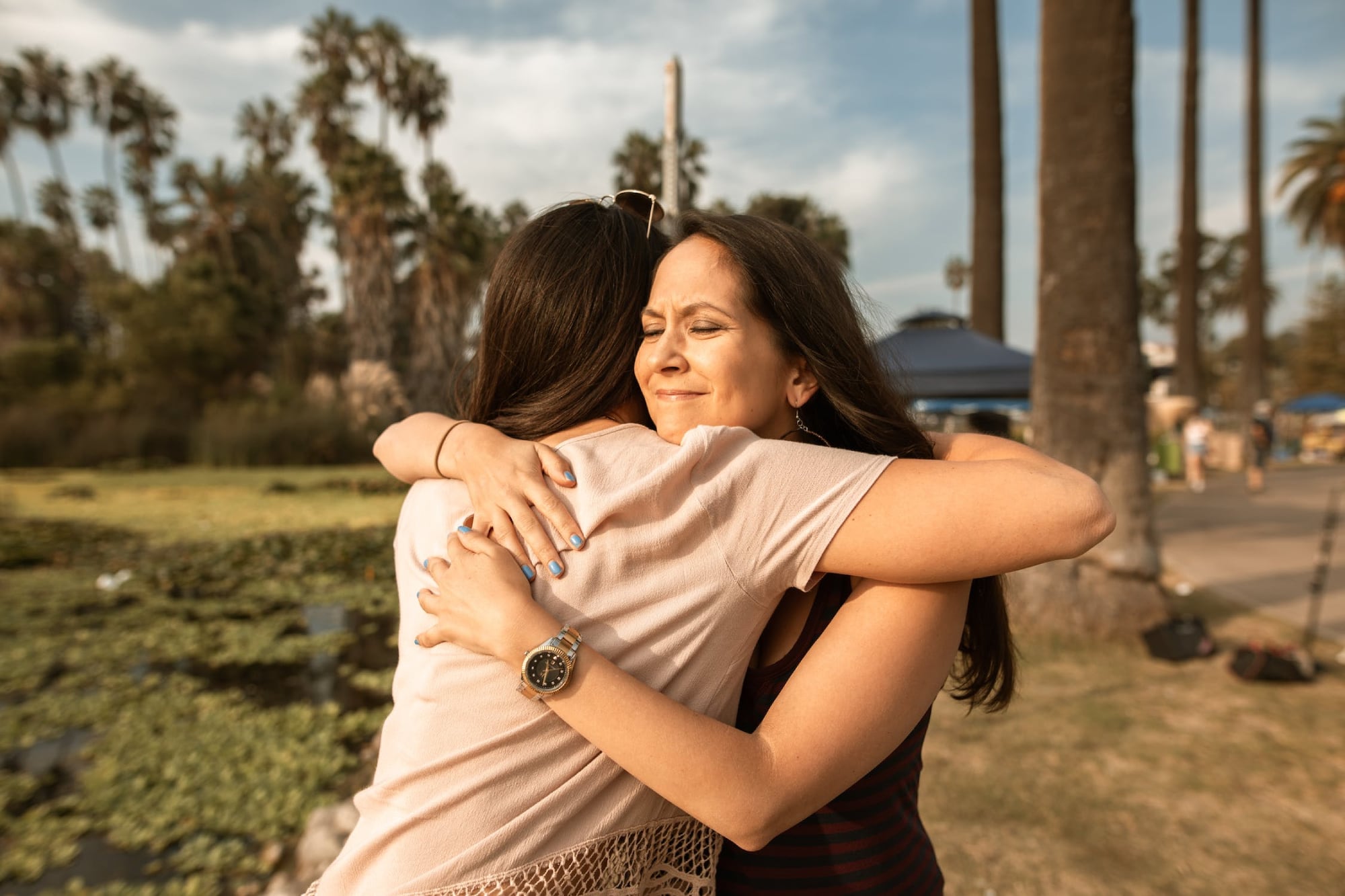
Cuáles son los signos del Zodíaco menos solitarios y por qué siempre necesitan estar rodeados de gente
Las relaciones humanas cumplen un papel fundamental en la vida de muchas personas. Algunas personas necesitan compartir experiencias, conversar, construir amistades o formar parte…

El “Caribe” escondido de la Patagonia: ofrece playas de caracoles, agua turquesa y soledad absoluta (no hay ni guardavidas)
Punta Perdices queda en el norte de la península de Villarino, dentro de la bahía de San Antonio, en la costa de Río Negro . Pertenece a la jurisdicción de Puerto San Antonio Este…